

Art Across International Borders
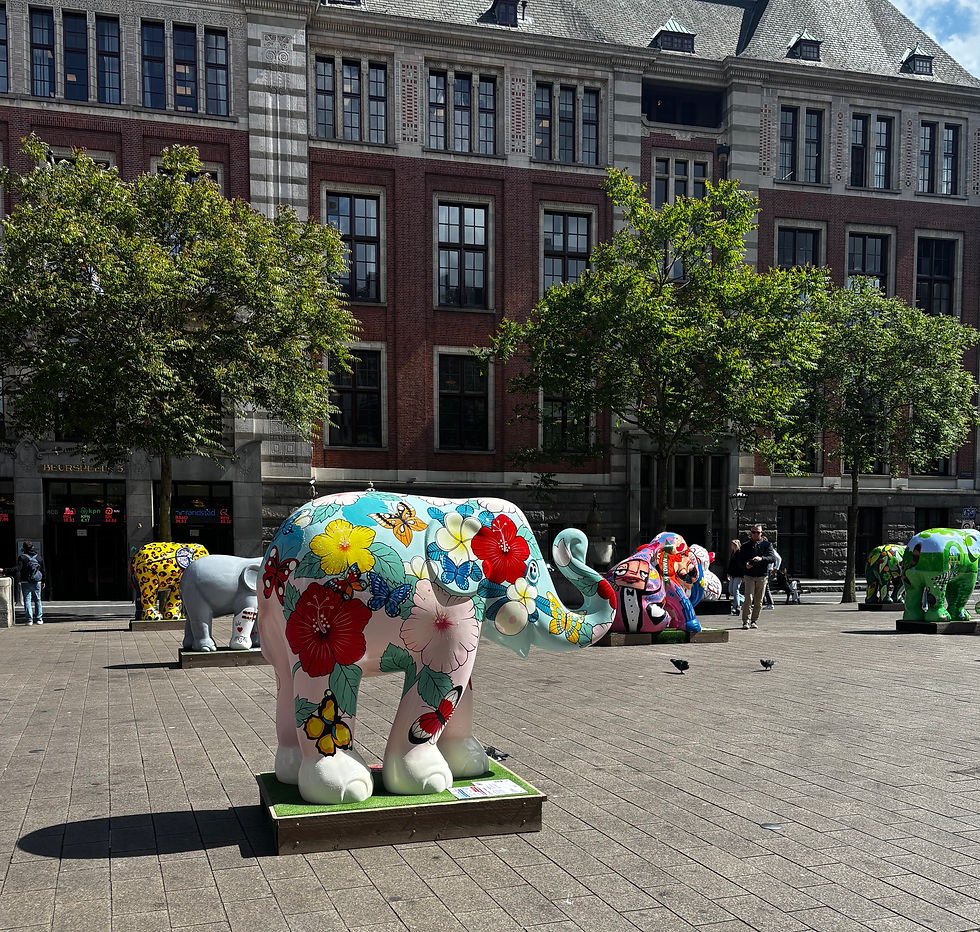
If you had predicted that while I was traveling abroad this spring I would run into my favorite painted elephants from Dana Point, CA, I certainly would have thought your comment amusing. Wrong, but amusing. Still, as I wandered through the sunny streets of Amsterdam, there they were. The Elephant Parade. These colorful and unforgettable elephant sculptures were the very ones I'd fallen in love with back home.
As a CCI student, especially one who has spent time studying and traveling abroad, I’ve come to appreciate just how vast and deeply personal the creative industries really are. The minor offers the freedom to shape your path around what matters most to you. For me, that’s always been animals and art, and I knew I wanted to explore how those two passions could intersect. So you can imagine my joy when I happened upon The Elephant Parade, a collection of conservation themed elephant sculptures.
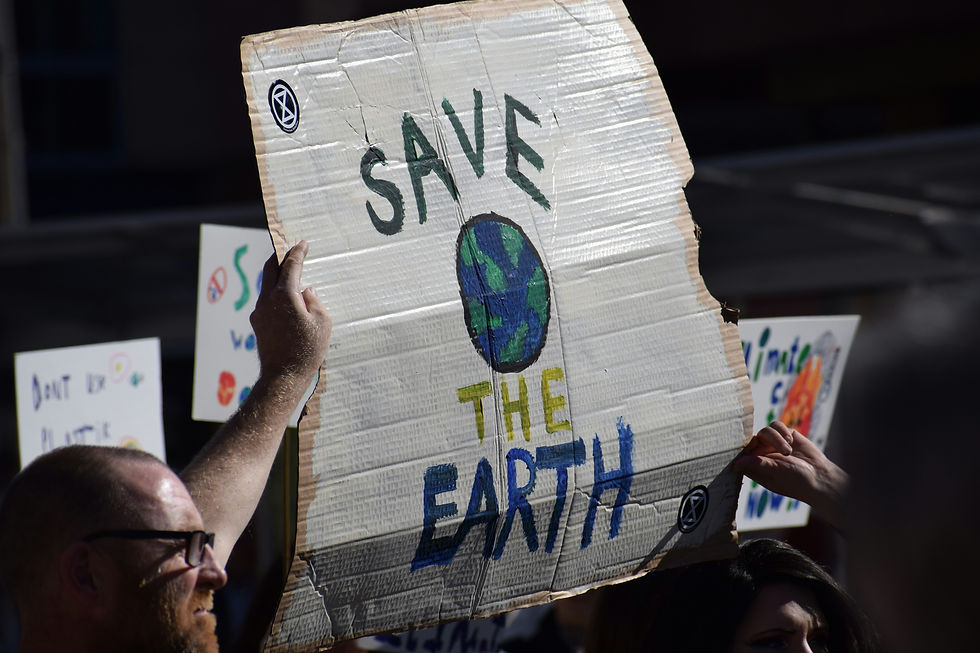
That first encounter with these statues was during my early years at Chapman, not long after I’d moved to California. A weekend trip to Dana Point led me to a public art installation I had never seen before: dozens of vibrantly painted baby elephant sculptures, each one uniquely designed and telling its own visual story.
Of course, I couldn’t help but wonder, what was the purpose of these statues?
The story behind the project is as powerful as the art itself. It began in the Netherlands, founded by conservationist Marc Spits and his son, after a life-changing encounter with Mosha, a baby elephant in Thailand who lost her leg to a landmine and became one of the first elephants to receive a prosthetic limb. As reported by the OC Register, that heartbreaking moment inspired them to merge art with advocacy in a mission to protect endangered Asian elephants.

At the time, I was surprised to discover that The Elephant Parade, a vibrant traveling art exhibit, didn’t originate in the U.S. at all, but actually began in the Netherlands. There I was, standing in front of a colorful herd of painted pachyderms I had once assumed were part of a local Dana Point installation. But Dana Point and the Netherlands are only two stops on a much larger journey, this exhibit has traveled the globe, raising awareness for Asian elephant conservation.
Though the exhibit has made additional stops in the US since, Dana Point was chosen as the first US city to host the sculptures. So why Dana Point, you might wonder? Why not a major city like New York or Los Angeles? The organizers ultimately selected Dana Point for its smaller scale and strong conservation values. They aimed to create a more intimate and meaningful debut in the U.S., one that would resonate with a community already invested in environmental causes. To them, it wasn’t about reaching the biggest audience, it was about reaching the right one.
In the U.S., the organizers of the Elephant Parade turned to star power to amplify the campaign’s reach. This is an example of how marketing’s being used as part of the creative and cultural scene, letting the art world tap into influence and creativity to drive its own agenda. Celebrities like Khloé Kardashian painted their own elephants helping to draw attention and spark conversation. At its core, the campaign has always been about community engagement, and walking the streets of the Netherlands reminded me just how powerful that engagement can be when it's rooted in art and shared values.
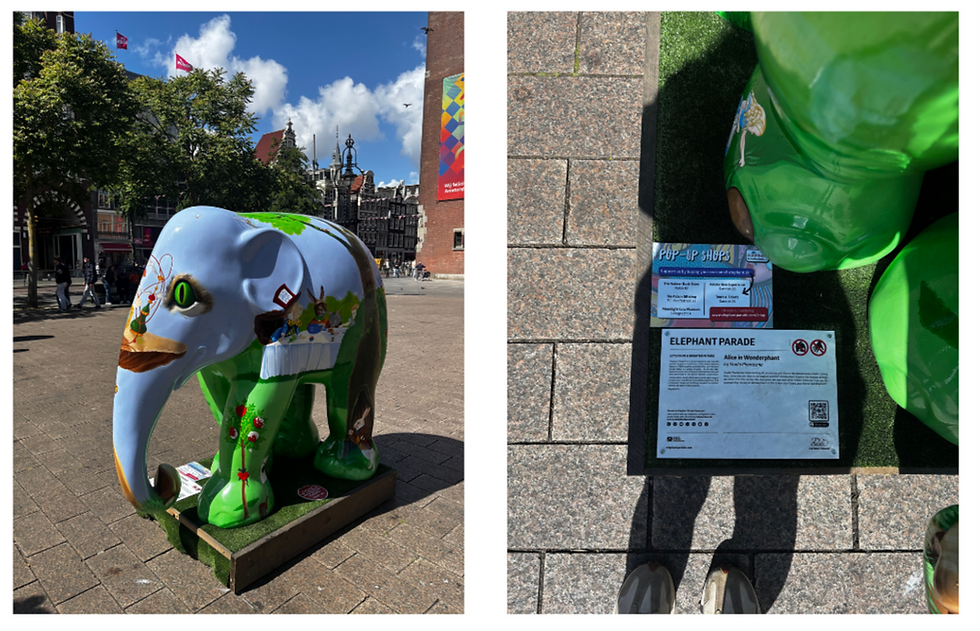
You might be wondering: what do these elephants look like? One Amsterdamian sculpture that particularly caught my eye was “Alice in Wonderplant.” As a longtime Alice in Wonderland fan, I was immediately drawn to it. Created by Phantasma Studio, the piece reimagines iconic scenes from the story in a whimsical, botanical style. It was a perfect example of how creativity can transform something familiar into something fresh and meaningful.
The original Dana Point installation of the Elephant Parade has taken on a new life. According to DP Times, while the city initially funded the initiative, the approach is beginning to shift. Soon, local businesses will be invited to “adopt” the elephants, placing them outside their storefronts to support conservation efforts and encourage tourism. It’s a clever, community driven model that benefits both awareness and the local economy.


Comments